
Aksira Education

Blog

Your blog category

Is MBBS in Uzbekistan Really Cheap?

Is MBBS in Uzbekistan Really Cheap? Real Cost Guide for Indian Students (2026)

Tbilisi State Medical University Complete Overview for Indian Students (2026) Blogs About Us Tbilisi State Medical University – Overview Tbilisi State Medical University (TSMU)  Overview is the oldest, most academically rigorous medical university in Georgia and one of the most trusted choices among Indian students seeking MBBS abroad. Established in 1918, the university represents the gold standard of government medical education in Georgia, with a strong focus on discipline, clinical fundamentals, and medical ethics. This detailed overview explains what makes TSMU different, who should choose it, who should not, and how it fits into India’s NMC + FMGE/NExT framework. University Background & Academic Standing TSMU is a public, government-funded medical university operating under Georgia’s Ministry of Education and Science. Unlike many private institutions that primarily focus on international recruitment, TSMU’s core strength lies in academics, research, and hospital-based training. Key points: Over 100 years of medical education Thousands of graduates practicing across Europe, Asia, and the Middle East Strong collaboration with public hospitals and research institutes Reputation built on academic credibility, not marketing This is why TSMU consistently attracts serious medical aspirants, not students looking for shortcuts. MBBS / MD Program Structure At TSMU, international students enroll in the MD (Doctor of Medicine) program, which is academically equivalent to MBBS in India. Program Overview: Total Duration: 6 years 5 years academic education 1 year compulsory clinical internship Medium of Instruction: English Degree Awarded: MD (equivalent to MBBS) Curriculum Standard: European medical education framework Academic Progression: Years 1–2: Basic medical sciences (Anatomy, Physiology, Biochemistry) Years 3–4: Pathology, Pharmacology, Microbiology, Clinical basics Years 5–6: Clinical medicine, surgery, pediatrics, gynecology, internship The structure is theory-heavy initially, followed by progressive clinical immersion. Recognition, Validity & NMC Compliance (Critical Section) For Indian students, this is the most important aspect. TSMU: Is listed in the WHO World Directory Meets NMC eligibility requirements when rules are followed Allows graduates to appear for FMGE / NExT in India However, validity depends on student compliance, not just the university. To remain valid in India, students MUST: Qualify NEET before admission Complete the full 6-year course Study entirely in English Complete internship as part of the degree Clear FMGE / NExT after graduation TSMU supports compliance, but it does not bypass Indian regulations. Clinical Exposure & Teaching Hospitals TSMU is known for structured, hospital-based clinical exposure, especially in comparison to many private universities. Clinical training includes: University-affiliated government hospitals Large public hospitals in Tbilisi Department-wise clinical rotations Emphasis on diagnostics, patient history, and observation Clinical exposure becomes meaningful from the 3rd year onwards.This is not luxury exposure, but real-world public healthcare exposure, which is valuable for licensing exam preparation. Faculty, Teaching Style & Academic Discipline Faculty at TSMU includes: Senior professors with PhD/MD backgrounds Clinicians actively practicing in hospitals Researchers involved in medical publications Teaching style is: Lecture-based with strict attendance Regular internal assessments Less spoon-feeding, more self-responsibility Students who lack discipline may struggle. TSMU expects maturity. Book Your Free Consultation Today. Eligibility Criteria for Indian Students Minimum eligibility: NEET qualified (mandatory) 50% PCB (General category) 40% PCB (Reserved category) Minimum age: 17 years There is no university-level entrance exam, but academic screening is strict. Fee Structure & Cost Reality TSMU is not a low-cost MBBS destination. Tuition fees: Mid to high range for Georgia Living expenses: Moderate (Tbilisi is affordable but urban) No donation or capitation fees Students choosing TSMU should prioritise academic quality over lowest cost. Student Life, Safety & Indian Community Tbilisi is one of the safest cities in Eastern Europe Indian food and groceries available Indian student community present but not overcrowded Weather includes cold winters (adjustment needed) Student life is academically focused, not entertainment-oriented. Book Your Free Consultation Today. Who Should Choose Tbilisi State Medical University? Ideal for students who: Want a top government medical university Are academically serious and disciplined Plan long-term medical practice Are preparing for FMGE / NExT seriously Not suitable for students who: Want the cheapest MBBS option Expect personal hand-holding Prefer relaxed academic systems Avoid academic pressure TSMU vs Other Georgian Universities (Reality Check) Factor TSMU Private Georgian Universities Reputation Very High Medium Academic Pressure High Moderate Cost Medium–High Low–Medium Clinical Discipline Strong Variable Stability Very High Depends Book Your Free Consultation Today. Blank Fome First NameEmailNumber I have read and agree to the Terms and Conditions and Privacy PolicySubmit Form Final Verdict: Tbilisi State Medical University – Complete Overview for Indian Tbilisi State Medical University is one of the safest and most academically reliable MBBS options in Georgia — but it is not for everyone. It rewards: Discipline Consistency Long-term planning It punishes: Casual attitude Shortcuts Poor exam preparation If your goal is a legally valid, academically solid MBBS degree, and you are willing to work for it, TSMU is a strong choice. About the Author This article is written by a medical education researcher and overseas MBBS consultant with extensive experience guiding Indian students through MBBS admissions abroad, eligibility verification, and NMC compliance. Youtube Instagram Frequently Asked Questions Why Choose Tbilisi State Medical University? Is Tbilisi State Medical University recognised in India? Yes. Tbilisi State Medical University is listed in the WHO World Directory and is eligible under NMC regulations provided the student meets all NMC rules, including NEET qualification, course duration, and internship requirements. Is the MD degree from TSMU equivalent to MBBS in India? Yes. The MD (Doctor of Medicine) degree awarded by TSMU is considered equivalent to MBBS in India for licensing purposes, as long as NMC guidelines are fully followed. Is NEET mandatory for admission to TSMU? Yes. NEET qualification is mandatory for all Indian students. Without qualifying NEET, the MBBS/MD degree from TSMU will not be valid for medical practice in India. What is the total duration of MBBS at TSMU? The total duration is 6 years, which includes 5 years of academic study and 1 year of compulsory clinical internship, in line with NMC rules. What is the medium of instruction at TSMU? The medium of instruction for international students is

Is MBBS in Uzbekistan Really Cheap? Real Cost Guide for Indian Students (2026) Read More »
Tbilisi State Medical University – Overview for Indian Students (2026)

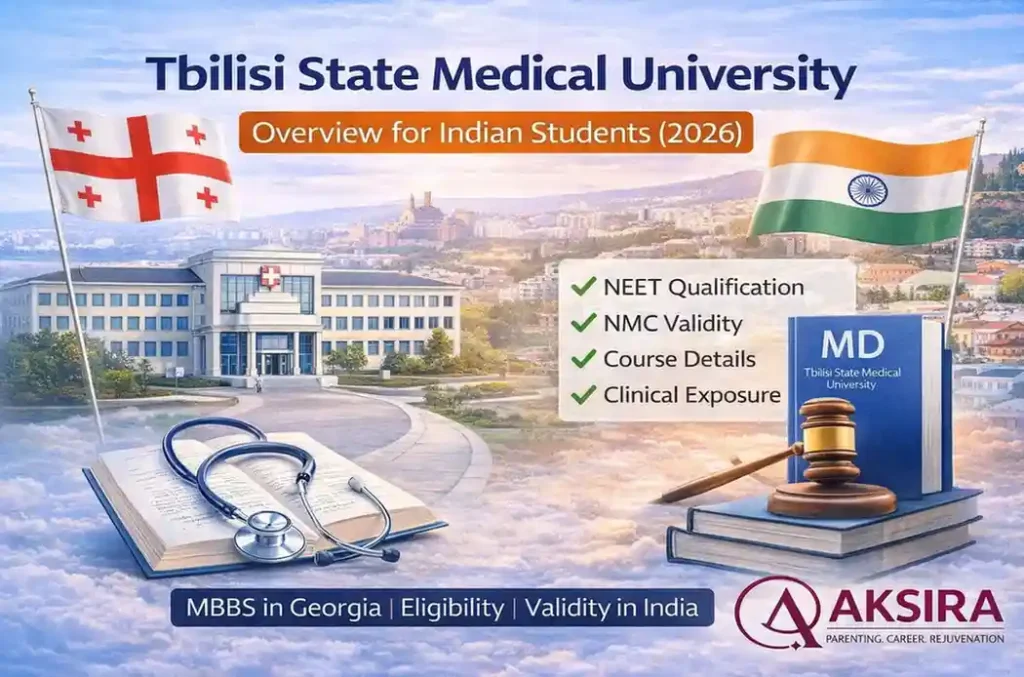
Tbilisi State Medical University – Overview for Indian Students (2026)

Tbilisi State Medical University Complete Overview for Indian Students (2026) Blogs About Us Tbilisi State Medical University – Overview Tbilisi State Medical University (TSMU)  Overview is the oldest, most academically rigorous medical university in Georgia and one of the most trusted choices among Indian students seeking MBBS abroad. Established in 1918, the university represents the gold standard of government medical education in Georgia, with a strong focus on discipline, clinical fundamentals, and medical ethics. This detailed overview explains what makes TSMU different, who should choose it, who should not, and how it fits into India’s NMC + FMGE/NExT framework. University Background & Academic Standing TSMU is a public, government-funded medical university operating under Georgia’s Ministry of Education and Science. Unlike many private institutions that primarily focus on international recruitment, TSMU’s core strength lies in academics, research, and hospital-based training. Key points: Over 100 years of medical education Thousands of graduates practicing across Europe, Asia, and the Middle East Strong collaboration with public hospitals and research institutes Reputation built on academic credibility, not marketing This is why TSMU consistently attracts serious medical aspirants, not students looking for shortcuts. MBBS / MD Program Structure At TSMU, international students enroll in the MD (Doctor of Medicine) program, which is academically equivalent to MBBS in India. Program Overview: Total Duration: 6 years 5 years academic education 1 year compulsory clinical internship Medium of Instruction: English Degree Awarded: MD (equivalent to MBBS) Curriculum Standard: European medical education framework Academic Progression: Years 1–2: Basic medical sciences (Anatomy, Physiology, Biochemistry) Years 3–4: Pathology, Pharmacology, Microbiology, Clinical basics Years 5–6: Clinical medicine, surgery, pediatrics, gynecology, internship The structure is theory-heavy initially, followed by progressive clinical immersion. Recognition, Validity & NMC Compliance (Critical Section) For Indian students, this is the most important aspect. TSMU: Is listed in the WHO World Directory Meets NMC eligibility requirements when rules are followed Allows graduates to appear for FMGE / NExT in India However, validity depends on student compliance, not just the university. To remain valid in India, students MUST: Qualify NEET before admission Complete the full 6-year course Study entirely in English Complete internship as part of the degree Clear FMGE / NExT after graduation TSMU supports compliance, but it does not bypass Indian regulations. Clinical Exposure & Teaching Hospitals TSMU is known for structured, hospital-based clinical exposure, especially in comparison to many private universities. Clinical training includes: University-affiliated government hospitals Large public hospitals in Tbilisi Department-wise clinical rotations Emphasis on diagnostics, patient history, and observation Clinical exposure becomes meaningful from the 3rd year onwards.This is not luxury exposure, but real-world public healthcare exposure, which is valuable for licensing exam preparation. Faculty, Teaching Style & Academic Discipline Faculty at TSMU includes: Senior professors with PhD/MD backgrounds Clinicians actively practicing in hospitals Researchers involved in medical publications Teaching style is: Lecture-based with strict attendance Regular internal assessments Less spoon-feeding, more self-responsibility Students who lack discipline may struggle. TSMU expects maturity. Book Your Free Consultation Today. Eligibility Criteria for Indian Students Minimum eligibility: NEET qualified (mandatory) 50% PCB (General category) 40% PCB (Reserved category) Minimum age: 17 years There is no university-level entrance exam, but academic screening is strict. Fee Structure & Cost Reality TSMU is not a low-cost MBBS destination. Tuition fees: Mid to high range for Georgia Living expenses: Moderate (Tbilisi is affordable but urban) No donation or capitation fees Students choosing TSMU should prioritise academic quality over lowest cost. Student Life, Safety & Indian Community Tbilisi is one of the safest cities in Eastern Europe Indian food and groceries available Indian student community present but not overcrowded Weather includes cold winters (adjustment needed) Student life is academically focused, not entertainment-oriented. Book Your Free Consultation Today. Who Should Choose Tbilisi State Medical University? Ideal for students who: Want a top government medical university Are academically serious and disciplined Plan long-term medical practice Are preparing for FMGE / NExT seriously Not suitable for students who: Want the cheapest MBBS option Expect personal hand-holding Prefer relaxed academic systems Avoid academic pressure TSMU vs Other Georgian Universities (Reality Check) Factor TSMU Private Georgian Universities Reputation Very High Medium Academic Pressure High Moderate Cost Medium–High Low–Medium Clinical Discipline Strong Variable Stability Very High Depends Book Your Free Consultation Today. Blank Fome First NameEmailNumber I have read and agree to the Terms and Conditions and Privacy PolicySubmit Form Final Verdict: Tbilisi State Medical University – Complete Overview for Indian Tbilisi State Medical University is one of the safest and most academically reliable MBBS options in Georgia — but it is not for everyone. It rewards: Discipline Consistency Long-term planning It punishes: Casual attitude Shortcuts Poor exam preparation If your goal is a legally valid, academically solid MBBS degree, and you are willing to work for it, TSMU is a strong choice. About the Author This article is written by a medical education researcher and overseas MBBS consultant with extensive experience guiding Indian students through MBBS admissions abroad, eligibility verification, and NMC compliance. Youtube Instagram Frequently Asked Questions Why Choose Tbilisi State Medical University? Is Tbilisi State Medical University recognised in India? Yes. Tbilisi State Medical University is listed in the WHO World Directory and is eligible under NMC regulations provided the student meets all NMC rules, including NEET qualification, course duration, and internship requirements. Is the MD degree from TSMU equivalent to MBBS in India? Yes. The MD (Doctor of Medicine) degree awarded by TSMU is considered equivalent to MBBS in India for licensing purposes, as long as NMC guidelines are fully followed. Is NEET mandatory for admission to TSMU? Yes. NEET qualification is mandatory for all Indian students. Without qualifying NEET, the MBBS/MD degree from TSMU will not be valid for medical practice in India. What is the total duration of MBBS at TSMU? The total duration is 6 years, which includes 5 years of academic study and 1 year of compulsory clinical internship, in line with NMC rules. What is the medium of instruction at TSMU? The medium of instruction for international students is

Tbilisi State Medical University – Overview for Indian Students (2026) Read More »
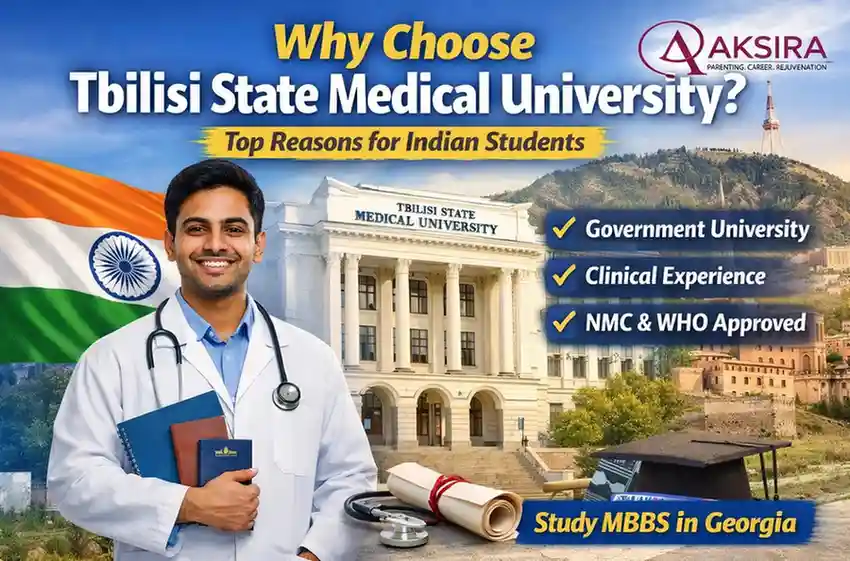
Why Choose Tbilisi State Medical University?

Why Choose Tbilisi State Medical University? Fees, Admission & Honest Review (2026)

Why Choose Tbilisi State Medical University? A Complete & Honest Guide for Indian Students (2026) Blogs About Us Tbilisi State Medical University – Overview Choosing a medical university abroad is not just about fees or rankings. It directly affects: Your clinical skills Your NEXT/FMGE performance Your career options after MBBS Tbilisi State Medical University (TSMU) is often recommended by consultants, but is it actually the right choice for you?This guide explains who should choose TSMU, who should not, and why — without marketing hype. 1. Legacy & Academic Credibility (Not a New Private University) TSMU was established in 1918, making it one of the oldest medical universities in Georgia and Eastern Europe. Why this matters: Long-standing curriculum aligned with European medical standards Experienced faculty trained in teaching international students Stable university policies (no sudden rule changes) Many private universities abroad are less than 10–15 years old. TSMU’s century-old academic structure gives it institutional maturity, which matters in medical education. 2. Government University Advantage (Big Difference) TSMU is a government-funded medical university. What this actually means for students: Higher patient inflow in affiliated hospitals Stronger emphasis on clinical competence, not just theory More credibility during licensing exams and interviews Government universities typically focus less on “comfort” and more on medical discipline. This is good for students aiming to clear NEXT/FMGE. 3. Recognition & Degree Validity (Critical for Indian Students) TSMU is recognised by: National Medical Commission (India) World Health Organization (WHO) FAIMER ECFMG What you can do after graduating: Appear for NEXT and practice in India Apply for PLAB (UK) or USMLE (USA) Pursue PG in India or abroad ⚠️ Important truth:Recognition only makes you eligible. Passing NEXT depends on your preparation, not just the university name. 4. MBBS Course Structure at TSMU (How Learning Actually Happens) Duration 6 years total 5 years of academic 1 year compulsory internship Academic Phases Years 1–2: Anatomy, Physiology, Biochemistry Year 3: Pathology, Pharmacology, Microbiology Years 4–5: Medicine, Surgery, Pediatrics, OBG Year 6: Clinical internship in teaching hospitals Teaching follows European Credit Transfer System (ECTS), which helps students adapt internationally. 5. Clinical Exposure: The Strongest Reason to Choose TSMU TSMU is attached to large government hospitals in Tbilisi. Why this is a big advantage: Real patient interaction (not just observation) Exposure to diverse medical cases Early clinical training improves exam understanding Many students from private universities struggle during FMGE/NEXT because of poor clinical grounding. TSMU reduces that risk. Book Your Free Consultation Today. 6. Medium of Education & Language Reality Entire MBBS program is taught in English Georgian language is taught only for patient communication Exams, lectures, and textbooks are in English ⚠️ Reality check:You must learn basic Georgian for hospital interaction. This is manageable, but unavoidable. 7. Fee Structure & Cost Reality Tuition Fees Approx. USD 8,000 per year Living Expenses USD 300–500 per month (hostel, food, transport) Comparison Private MBBS in India: ₹70 lakh – ₹1 crore TSMU (6 years total): ₹35–45 lakh approx. TSMU is not the cheapest abroad, but it offers better academic value than many low-cost options. 8. Hostel, Food & Daily Life for Indian Students University hostels and private apartments available Indian food available in Tbilisi Indian student associations active Public transport is safe and affordable Students usually adapt within 2–3 months. Book Your Free Consultation Today. 9. Safety & Environment (For Students & Parents) Tbilisi is considered: One of the safest cities in Eastern Europe Low violent crime Student-friendly infrastructure Parents’ biggest concern — safety — is generally well addressed at TSMU. 10. Academic Pressure & Reality (No Sugarcoating) TSMU is academically demanding. You should choose TSMU if: You are disciplined You are serious about NEXT You are comfortable with self-study You should not choose TSMU if: You want an easy pass You dislike academic pressure You depend completely on spoon-feeding 11. FMGE / NEXT Performance Reality Students from TSMU: Perform better than average compared to many private universities Still need dedicated preparation 👉 Most successful students start NEXT-oriented preparation from 2nd year. 12. Career Opportunities After MBBS from TSMU After graduation, students can: Practice in India (after NEXT) Pursue PG in India Apply for USMLE / PLAB Work in other countries after local licensing TSMU provides a strong base, but career success depends on your strategy and consistency. Book Your Free Consultation Today. Blank Fome First NameEmailNumber I have read and agree to the Terms and Conditions and Privacy PolicySubmit Form Final Verdict: Should You Choose Tbilisi State Medical University? Choose TSMU if: ✔ You want strong clinical exposure✔ You prefer a government university✔ You are serious about medical fundamentals✔ You plan to clear NEXT Avoid TSMU if: ❌ You want an easy MBBS❌ You dislike academic pressure TSMU is a solid, career-focused choice — not a shortcut. About the Author This article is written by a medical education researcher and overseas MBBS consultant with extensive experience guiding Indian students through MBBS admissions abroad, eligibility verification, and NMC compliance. Youtube Instagram Frequently Asked Questions Why Choose Tbilisi State Medical University? What is the minimum and maximum age for MBBS in Georgia in 2026?   The minimum age to apply for MBBS in Georgia is 17 years, which must be completed by 31st December 2026. There is no official upper age limit, but the student must be eligible as per NEET regulations in India. Is NEET mandatory for Indian students applying for MBBS in Georgia?   Yes. NEET qualification is mandatory for all Indian students who want to study MBBS in Georgia and later practice medicine in India. Without NEET, NMC registration and FMGE/NExT eligibility will not be possible. What are the academic requirements for MBBS in Georgia eligibility?   Indian students must pass 10+2 with Physics, Chemistry, and Biology along with English. General category: Minimum 50% in PCB SC/ST/OBC category: Minimum 40% in PCB Does MBBS in Georgia require IELTS or TOEFL?   No. Most Georgian medical universities do not require IELTS or TOEFL. However, students should have basic English communication skills, as the MBBS program

Why Choose Tbilisi State Medical University? Fees, Admission & Honest Review (2026) Read More »

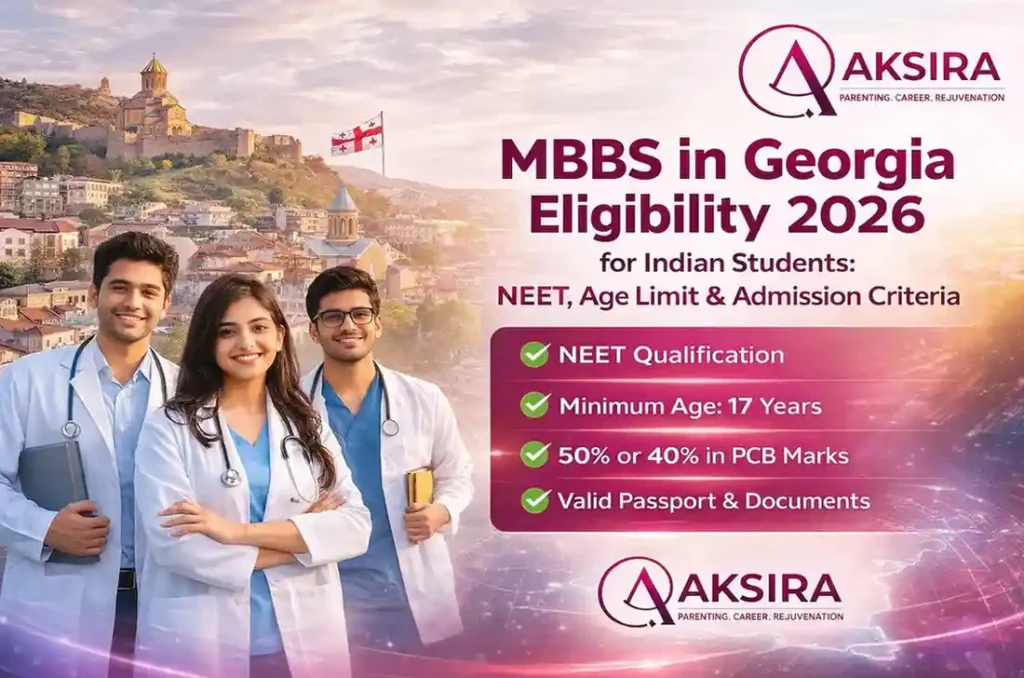
MBBS in Georgia Eligibility 2026 for Indian Students – NEET, Age Limit

MBBS in Georgia Eligibility 2026 for Indian Students – NEET, Age Limit

MBBS in Georgia Eligibility 2026 for Indian Students NEET, Age Limit & Admission Criteria Blogs About Us Studying MBBS in Georgia has become one of the most practical and realistic options for Indian students who want quality medical education without burning ₹1 crore in private colleges. But before dreams meet reality, there’s one thing you must get right — eligibility. In 2026, eligibility rules are clearer, stricter, and more closely aligned with NMC (National Medical Commission) guidelines. This guide breaks down everything: NEET rules, age limit, academic criteria, documents, application process, and whether Georgia is genuinely worth it for Indian students. MBBS in Georgia Eligibility 2026 – Key Highlights Here’s the eligibility snapshot most students look for first: ✅ Minimum age: 17 years (by 31st December of admission year) ✅ NEET: Mandatory for Indian students ✅ Academics: PCB in 10+2 with qualifying percentage ✅ Medium of instruction: English ✅ IELTS/TOEFL: Not required (in most universities) ✅ NMC compliance: Available in selected universities ✅ Course duration: 6 years (including internship) If you tick these boxes, you’re already halfway in. Intake Dates for MBBS in Georgia (2026 Session) Georgia primarily follows a Fall intake, which aligns well with Indian academic timelines. Main Intake September / October 2026 Applications start: March–April 2026 Peak admission window: May–July 2026 Limited Spring Intake (Few Universities) February / March 2026 Seats are limited and not available in all universities Pro tip: Apply early. Georgian universities follow a first-come, first-served model, not entrance exams. MBBS in Georgia Eligibility Criteria for Indian Students Let’s break eligibility into bite-sized truths. Age Limit for MBBS in Georgia Minimum age: 17 years Must be completed on or before 31st December 2026 No strict upper age limit imposed by Georgian universities However, Indian regulations (NEET eligibility) practically set the boundary. If you’re NEET-eligible, age usually isn’t an issue. Academic Background Required To apply for MBBS in Georgia in 2026, Indian students must have: 10+2 passed with PCB (Physics, Chemistry, Biology) English as a compulsory subject Minimum Marks Required: General category: 50% in PCB SC/ST/OBC: 40% in PCB (as per Indian norms) Some universities may accept slightly lower percentages, but NMC compliance should always be your priority. NEET Requirement for MBBS in Georgia (Mandatory for Indians) Let’s clear the biggest confusion. Is NEET compulsory for MBBS in Georgia in 2026? Yes. 100% mandatory for Indian students. Even if a Georgian university says “NEET not required,” Indian law overrides that. Why NEET is non-negotiable: Required for NMC registration Mandatory to appear for FMGE / NEXT Needed to practice medicine in India after graduation NEET Score Requirement: Just the qualifying marks are enough No rank competition NEET validity as per the current NMC rules Hard truth: Studying MBBS abroad without NEET = career suicide in India. Documents Required for MBBS in Georgia Eligibility Paperwork is simple, but accuracy matters. Academic Documents: 10th Marksheet & Certificate 12th Marksheet & Certificate Entrance & Identity Documents: NEET Scorecard Valid Passport (minimum 18 months validity) Medical & Legal: Medical fitness certificate HIV test report Passport-size photographs Additional (University-specific): Birth certificate Migration certificate Police clearance (sometimes) Book Your Free Consultation Today. MBBS in Georgia Course Duration The MBBS program in Georgia follows European medical education standards. Total duration: 6 years 5 years academic education 1 year clinical internship The curriculum includes: Pre-clinical subjects Para-clinical training Clinical rotations in affiliated hospitals Most NMC-approved universities align their structure with Indian requirements. How to Apply for MBBS in Georgia – Step-by-Step Process No entrance exam. No donation. Just process. Step 1: Eligibility Check Academic + NEET verification Step 2: University Shortlisting Based on budget, eligibility, NMC status Step 3: Application Submission Online application to the university Step 4: Offer Letter Issued within 7–15 working days Step 5: Visa Process Student visa for Georgia Step 6: Travel & Enrollment University registration Hostel allotment Simple on paper — but mistakes here can cost you a year. Top Medical Universities in Georgia for Indian Students Some universities are consistently preferred due to affordability and recognition. Popular Choices: Tbilisi State Medical University Batumi Shota Rustaveli State University New Vision University European University Georgia Georgian American University Always confirm: NMC compliance Hospital exposure Indian student support system Book Your Free Consultation Today. Why Choose MBBS in Georgia for Indian Students? Georgia didn’t become popular by accident. Here’s why it works. Low Cost of Education and Living Total cost significantly lower than private Indian colleges Affordable hostels and food English-Taught MBBS Programs No Georgian language requirement initially Smooth transition for Indian students Internationally Recognized Degrees Recognized across Europe and many other countries Pathways for PG abroad Simple & Transparent Admission Process No entrance exams No capitation fees Strong Clinical & Practical Exposure Government hospitals Early patient interaction Safe, Friendly & Student-Oriented Environment Georgia is considered safe for international students Supportive campus culture Indian Food, Hostels & Cultural Comfort Indian mess facilities in most universities Growing Indian student community Experienced & Globally Trained Faculty Professors trained across Europe Modern teaching methodology NMC-Aligned Curriculum Designed to prepare students for FMGE / NEXT Is MBBS in Georgia Safe and Worth It in 2026? Let’s talk reality. Safety: Georgia is politically stable Low crime rate in student areas Universities provide hostel security Is it worth it? Yes — if: You choose an NMC-compliant university You clear NEET You’re mentally prepared for self-study No — if: You’re looking for shortcuts You ignore regulations You depend blindly on agents Georgia rewards disciplined students. Period. Book Your Free Consultation Today. Blank Fome First NameEmailNumber I have read and agree to the Terms and Conditions and Privacy PolicySubmit Form Conclusion – Is MBBS in Georgia Eligibility Easy or Risky in 2026? Eligibility for MBBS in Georgia is simple but not casual. The rules are clear, the pathway is proven, but discipline matters. Georgia is not a shortcut — it’s an alternative. A solid one. Choose wisely. Verify everything. And never ignore NEET. About the Author This article is written by a medical education researcher and overseas MBBS

MBBS in Georgia Eligibility 2026 for Indian Students – NEET, Age Limit Read More »

MBBS in Georgia for Indian Students

What Is MBBS in Georgia? – Complete Guide, Fees, Eligibility

What Is MBBS in Georgia? Complete Guide for Indian Students Blogs About Us Studying MBBS abroad has become a popular choice for Indian students seeking high-quality medical education at affordable costs. Among many international destinations, Georgia has emerged as one of the top choices due to its globally recognized universities, English-medium programs, and modern infrastructure. If you are planning to pursue medical education overseas, this complete guide will help you understand everything about MBBS in Georgia — from course details and eligibility to benefits and career opportunities. What Is MBBS in Georgia? MBBS in Georgia is an internationally recognized medical degree program offered by Georgian universities that follows European education standards. The course is designed to provide strong theoretical knowledge along with practical clinical exposure. Medical universities in Georgia focus on modern teaching methods, advanced laboratories, and early clinical training, helping students gain global medical competence. Duration of MBBS in Georgia The duration of MBBS in Georgia is typically: 6 Years Total 5 Years – Academic study and clinical training 1 Year – Internship / clinical practice This structure helps students gain both classroom learning and hands-on medical experience. Recognition & Approval for Indian Students Many Georgian medical universities are recognized by major global medical organizations, including: ✅ National Medical Commission (NMC)✅ World Health Organization (WHO)✅ ECFMG (USA)✅ FAIMER Indian students must qualify NEET to study MBBS abroad and later practice medicine in India as per NMC guidelines. Medium of Instruction One of the biggest advantages of studying MBBS in Georgia is: 👉 English-medium education This makes it easier for Indian students to adapt without needing to learn a new language for academics. Cost of MBBS in Georgia MBBS in Georgia is considered affordable compared to private medical colleges in India and many Western countries. Key financial advantages: Reasonable tuition fees Affordable living expenses No donation or capitation fees Flexible payment options in many universities Clinical Training & Practical Exposure Georgian universities emphasize practical learning through: Hospital rotations Clinical case studies Modern simulation labs Patient interaction from early years This helps students develop strong clinical skills before graduation. Eligibility Criteria for Indian Students To apply for MBBS in Georgia, students generally need: Minimum 50% in PCB (Physics, Chemistry, Biology) NEET qualification Age 17 years or above Valid passport Admission processes are straightforward and student-friendly. Why Choose Georgia for MBBS? Here are the major reasons Indian students choose Georgia: ✅ High-quality European education system✅ Globally recognized degrees✅ Safe and student-friendly environment✅ Modern infrastructure and medical technology✅ International exposure and multicultural environment✅ Easy admission process Career Opportunities After MBBS in Georgia After completing MBBS, students can: Practice in India after clearing FMGE/NExT Apply for PG medical studies abroad Appear for licensing exams like USMLE or PLAB Work internationally depending on licensing requirements How Aksira Education Helps Students Aksira Education provides complete support for students planning MBBS in Georgia, including: Free counselling and career guidance University selection assistance Admission and documentation support Visa processing Travel arrangements Post-arrival support Youtube Instagram Final Verdict MBBS in Georgia offers Indian students a perfect balance of affordability, quality education, and global recognition. With English-medium programs, modern facilities, and structured clinical training, Georgia has become one of the most preferred destinations for medical aspirants. Choosing the right guidance partner like Aksira Education ensures a smooth admission process and helps students achieve their dream of becoming successful doctors. MBBS in Georgia – FAQs 1. Is MBBS in Georgia valid for Indian students? Yes, many medical universities in Georgia are approved by the National Medical Commission (NMC), WHO, and other global medical bodies. Indian students must qualify NEET to practice medicine in India after graduation. What is the duration of MBBS in Georgia? The MBBS program in Georgia typically lasts 6 years, including academic study and clinical internship training. Is NEET required for MBBS in Georgia? Yes, NEET qualification is mandatory for Indian students who want to study MBBS abroad and later practice in India according to NMC rules. What is the medium of instruction in Georgian medical universities? Most Georgian universities offer MBBS programs entirely in English, making it easier for Indian students to understand and adapt. 5. What is the duration of MBBS in Georgia? The MBBS program in Georgia is 6 years, which includes 5 years of academic study and 1 year of clinical internship. 6. Is the medium of instruction English in Georgian medical universities? Yes. Most medical universities in Georgia offer MBBS programs in English for international students. 7. Are Georgian medical universities NMC (MCI) approved? Yes. Several medical universities in Georgia are approved by NMC (formerly MCI). Students must always verify approval before admission. 8. Is Georgia safe for Indian MBBS students? Yes. Georgia is considered a safe and student-friendly country, with a welcoming environment for Indian and international students. 9. Are hostel facilities available for Indian students in Georgia? Yes. Most universities provide on-campus or affiliated hostels with basic amenities. Private accommodation is also available. 10. Can Indian students work part-time while studying MBBS in Georgia? Is MBBS in Georgia approved by NMC for Indian students?Part-time work opportunities are limited due to the intensive MBBS schedule. Students are advised to focus on studies. Get Personalized Budget Plan Blank Fome First NameEmailNumber I have read and agree to the Terms and Conditions and Privacy PolicySubmit Form Top 10 universities for MBBS in Georgia for Indian Students How to Pick the Right Course and College Abroad Top Scholarships for Indian Students to Study Abroad Big Mistakes Students Make While Planning to Study Abroad

What Is MBBS in Georgia? – Complete Guide, Fees, Eligibility Read More »

Top 10 Universities for MBBS in Georgia

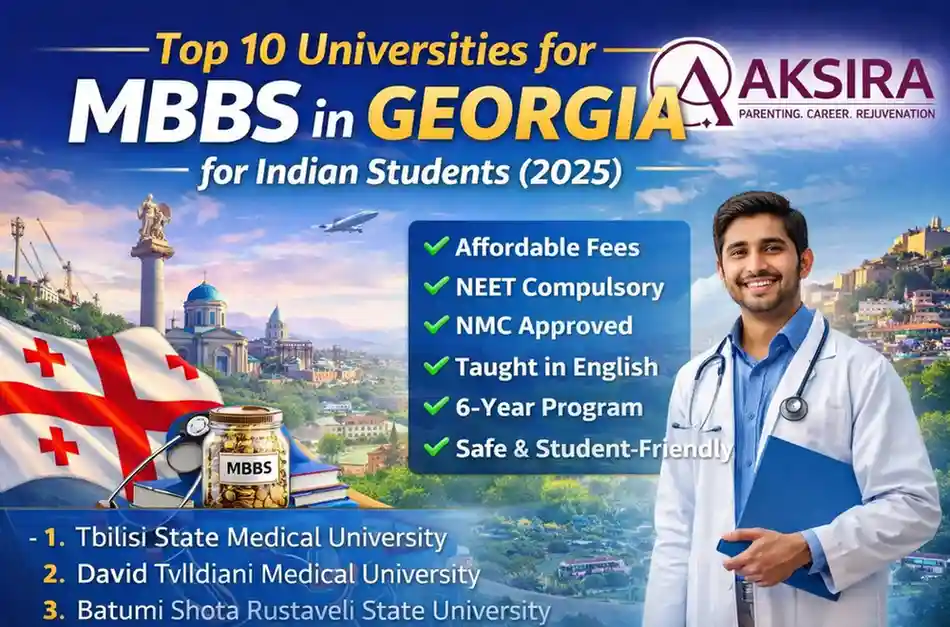
Top 10 universities for MBBS in Georgia for Indian Students

Top 10 universities for MBBS in Georgia for Indian Students Blogs About Us Explore the Top 10 universities for MBBS in Georgia for Indian students. Learn about the fee structure, eligibility, NMC approval, hostel facilities, course duration, admission process, and why Georgia is one of the most preferred destinations for MBBS abroad. Top 10 Universities for MBBS in Georgia: Overview Pursuing MBBS abroad has become a practical solution for Indian students due to limited government seats and high fees in private medical colleges in India. Among European destinations, Georgia stands out for its affordable medical education, globally recognized universities, and English-medium MBBS programs. Below, we provide a detailed overview of the Top 10 universities for MBBS in Georgia for Indian students, including academics, eligibility, recognition, and facilities. Why Study MBBS in Georgia for Indian Students? Georgia has emerged as a trusted MBBS destination for Indian students due to a balance of quality education and affordability. Key Reasons to Choose Georgia for MBBS Affordable tuition fees and low living costs Globally recognized medical degrees NMC (MCI) approved universities English as the medium of instruction Safe and student-friendly environment Simple admission process with no entrance exam Top 10 Universities in Georgia for MBBS 1. Tbilisi State Medical University One of the oldest and most prestigious medical universities in Georgia, offering a rigorous MBBS curriculum with strong clinical exposure and modern infrastructure. 2. Batumi Shota Rustaveli State University Known for its emphasis on practical clinical training, this university provides structured medical education with well-equipped hospitals. 3. Ilia State University Offers an MBBS program focused on research-based learning, modern teaching methods, and international academic standards. 4. David Tvildiani Medical University Highly regarded for its US-aligned curriculum, modern laboratories, and focus on global medical practices. 5. Georgian American University Provides a well-balanced MBBS education with strong clinical exposure and research-oriented teaching. 6. University of Georgia One of the fastest-growing universities offering comprehensive medical training with modern campus facilities. 7. European University Known for innovative teaching techniques, English-medium MBBS programs, and international recognition. 8. The Medical University of Tbilisi Offers strong academic rigor with extensive hospital training and experienced medical faculty. 9. Kutaisi University Provides quality medical education with modern teaching infrastructure and practical training. 10. Gori University Recognized for hands-on clinical training and affordable MBBS education in Georgia. MBBS in Georgia: Eligibility Criteria for Indian Students 1. Educational Qualification 10+2 with Physics, Chemistry, and Biology Minimum 50% marks (40% for reserved categories) 2. NEET Requirement NEET is mandatory as per NMC guidelines for Indian students planning to practice in India Some Georgian universities may not require NEET for admission, but NEET is compulsory for degree validity in India 3. Age Limit Minimum age: 17 years by 31st December of the admission year 4. Language Proficiency Medium of instruction is English IELTS/TOEFL usually not required, but may vary by university 5. Medical Fitness A valid medical fitness certificate is required 6. Documents Required Valid Passport 10th & 12th Mark Sheets NEET Scorecard Passport-size Photographs Medical Certificate University Invitation Letter Visa Application Form Duration of MBBS in Georgia for Indian Students Program Length Total Duration: 6 years 5 years academic study 1 year clinical internship Curriculum Structure Pre-clinical phase: Basic medical sciences Para-clinical phase: Pathology, pharmacology, microbiology Clinical phase: Hospital-based training Clinical Training & Internship Final years include hands-on hospital training Internship provides real patient exposure across departments Admission Process for MBBS in Georgia for Indian Students Step-by-Step Admission Process Research universities and shortlist options Check eligibility and NEET requirements Submit application with required documents Receive admission/invitation letter Complete document attestation (if required) Pay tuition fees as per university guidelines Apply for student visa Arrange travel and accommodation Top 10 Universities for MBBS in Georgia – FAQs Is MBBS in Georgia valid in India? Yes. MBBS degrees from NMC-approved Georgian universities are valid in India after clearing the NExT exam. How much does it cost to study MBBS in Georgia for Indian students? The total MBBS cost ranges between ₹30–45 lakhs, including tuition and living expenses. Is NEET compulsory for MBBS in Georgia? Yes. NEET qualification is mandatory for Indian students to practice medicine in India. Are MBBS degrees from Georgia recognized globally? Yes. Georgian medical degrees are recognized by WHO, NMC, FAIMER, and other global bodies. Which is the best MBBS university in Georgia for Indian students? Tbilisi State Medical University and David Tvildiani Medical University are among the most preferred choices. Youtube Instagram Final Verdict Georgia offers a safe, affordable, and globally recognized MBBS pathway for Indian students. With English-medium education, strong clinical exposure, and NMC-approved universities, it is a practical alternative to expensive private medical colleges in India. FAQs – Top 10 Universities for MBBS in Georgia for Indian Students 1. Is MBBS in Georgia valid for Indian students? Yes. MBBS degrees from NMC-approved medical universities in Georgia are valid in India. Indian students must clear the NExT exam to practice medicine in India. 2. What is the total cost of MBBS in Georgia for Indian students? The total cost of MBBS in Georgia ranges between ₹30 to ₹45 lakhs, including tuition fees, hostel accommodation, and living expenses. 3. Is NEET compulsory for MBBS in Georgia? Yes. As per NMC guidelines, NEET qualification is mandatory for Indian students who want to practice medicine in India after completing MBBS abroad. 4. Which are the top MBBS universities in Georgia for Indian students? Some of the top universities include: Tbilisi State Medical University David Tvildiani Medical University Batumi Shota Rustaveli State University University of Georgia European University 5. What is the duration of MBBS in Georgia? The MBBS program in Georgia is 6 years, which includes 5 years of academic study and 1 year of clinical internship. 6. Is the medium of instruction English in Georgian medical universities? Yes. Most medical universities in Georgia offer MBBS programs in English for international students. 7. Are Georgian medical universities NMC (MCI) approved? Yes. Several medical universities in Georgia are approved by NMC (formerly MCI). Students must always

Top 10 universities for MBBS in Georgia for Indian Students Read More »

How to Pick the Right Course and College Abroad

Studying abroad is a dream for many students. It gives you a chance to get a global education, explore a new culture, and improve your career opportunities. But with thousands of colleges and hundreds of courses available, choosing the right one can feel confusing. If you are planning to study abroad and are unsure about what course or college to choose, this blog will guide you step-by-step. Know Your Interest and Career Goals   The first and most important step is understanding your own interests. What are you passionate about? What career do you see yourself in 5 or 10 years from now? Choosing a course just because it is popular or your friend is doing it can lead to regret later. Ask yourself: What subjects do I enjoy? What are my strengths? Do I want a job in science, technology, arts, business, or health? Do I want to do research, get a corporate job, or start a business? Having clear goals will help you pick a course that supports your future. Research Courses in Detail Once you have an idea about the field you are interested in, start shortlisting courses. Don’t just look at the course name—read the course content. Different colleges can offer the same course with very different subjects. Look at: The subjects/modules taught Internship opportunities Research projects Job placement support Industry connections Also, check if the course is approved and recognized in your home country if you plan to return and work there. Choose the Right Country The country where you study matters too. Some countries are known for certain types of education. For example: USA is known for business, engineering, and IT UK offers strong programs in humanities, law, and health sciences Canada is known for computer science, environmental studies, and engineering Australia is popular for hospitality, education, and nursing Also, think about: Language spoken Cost of living Work visa rules for students and after graduation Safety and lifestyle Pick a country where you can adjust well and get the education and career support you need. Compare Colleges Once you choose your course and country, start comparing colleges. Every college has its own strengths. Some may have better faculty, while others offer better job placement or lower fees. While comparing, consider: College ranking and reputation Accreditation Infrastructure and facilities Alumni success Location and transport Student support services It’s also helpful to read reviews or connect with current or past students online. Check Eligibility and Entry Requirements Different colleges and countries have different entry requirements. Some may ask for high academic scores, entrance exams, or language tests. Common requirements include: Academic transcripts IELTS/TOEFL scores (for English-speaking countries) SAT, GRE, GMAT (for some courses) Statement of Purpose (SOP) Letters of Recommendation (LOR) Portfolio (for design or art courses) Make sure you meet the criteria before applying. If not, you can look for foundation or pathway programs. Think About Your Budget Studying abroad can be expensive, so plan your finances in advance. Include: Tuition fees Living expenses (rent, food, transport) Health insurance Visa costs Travel expenses Look for scholarships, student loans, or part-time work opportunities. Many colleges offer financial aid or scholarships based on merit or need. Consider Future Career Opportunities Studying abroad is a big investment, so make sure it helps you get a good job later. Research job opportunities in the country where you plan to study and how easy it is to get a work visa after completing the course. Check: Industry demand Work permit rules after graduation Internships and job fairs provided by the college Alumni placement records Some countries offer a stay-back period after graduation for job search, which can be very helpful. Talk to a Study Abroad Consultant If you feel overwhelmed, it’s okay to get help. A professional study abroad consultant can help you understand your options, guide you through the application process, and even assist with visas and documentation. Just make sure you choose a trustworthy and experienced consultant with good reviews. Final Thoughts Choosing the right course and college abroad is not a one-day decision. Take your time, do detailed research, talk to people, and think about your goals. Don’t choose a college just because it’s famous—choose the one that is right for you. With the right choice, studying abroad can open the door to a world of exciting opportunities and personal growth.

How to Pick the Right Course and College Abroad Read More »

Top Scholarships for Indian Students to Study Abroad

Studying abroad is a dream for many Indian students. The opportunity to gain global exposure, experience diverse cultures, and access high-quality education is unmatched. However, the cost of education abroad can be a significant hurdle. This is where scholarships play a crucial role. Scholarships can reduce the financial burden and make your dream of studying abroad a reality. In this blog, we’ll explore some of the top scholarships available for Indian students to study abroad. 1. The Fulbright-Nehru Fellowship  The Fulbright-Nehru Fellowship is one of the most prestigious scholarships for Indian students. It is offered by the United States-India Educational Foundation (USIEF) and supports Indian students pursuing postgraduate studies in the United States. The scholarship covers tuition fees, travel expenses, living allowances, and other expenses. Eligibility: Indian students with a strong academic record, leadership potential, and commitment to the public sector are eligible. This scholarship is available for various fields of study, including arts, sciences, social sciences, and education. Application Deadline: Typically in May (for the next academic year). 2. Chevening Scholarships The Chevening Scholarship, funded by the UK government, is one of the most sought-after scholarships for Indian students wishing to study in the UK. It offers a fully-funded opportunity for a one-year master’s degree at any UK university. The scholarship covers tuition fees, travel costs, accommodation, and a monthly stipend. Eligibility: Applicants must have an undergraduate degree and a minimum of two years of work experience. Candidates should also demonstrate leadership potential and a commitment to creating positive change in their home country. Application Deadline: Annually, usually in November. 3. Commonwealth Scholarships The Commonwealth Scholarship is another highly regarded scholarship for Indian students who wish to pursue postgraduate studies in the UK. These scholarships are funded by the UK Department for International Development (DFID) and cover full tuition fees, airfare, and living expenses for students from developing Commonwealth countries, including India. Eligibility: Applicants must be Indian citizens, have a first-class degree in their relevant field, and meet the specific eligibility requirements for the course they intend to study. Application Deadline: The application period typically starts in June or July and ends in October. 4. DAAD Scholarships (Germany) Germany offers a wide range of scholarships to Indian students through the DAAD (German Academic Exchange Service). These scholarships are available for students who wish to pursue postgraduate courses, research, or Ph.D. programs in Germany. DAAD scholarships are highly competitive and cover tuition fees, monthly stipends, and other related expenses. Eligibility: Indian students with a strong academic record, preferably in engineering, sciences, or economics, are encouraged to apply. The scholarships are available for both general degree programs and research-focused opportunities. Application Deadline: Deadlines vary, but typically, the application window is open from June to September. 5. Inlaks Scholarships The Inlaks Scholarships are one of the most prominent scholarships for Indian students pursuing higher education abroad. These scholarships are available for students who wish to study in the United States, the UK, or Europe. The scholarship covers tuition fees, living expenses, and travel costs. Eligibility: The Inlaks Scholarships are open to Indian citizens who have completed their undergraduate degree and are looking to pursue a full-time postgraduate course in any field, except for business studies. Application Deadline: The application period typically opens in January and closes in March. 6. Rhodes Scholarships (Oxford University) The Rhodes Scholarship is one of the oldest and most prestigious international scholarships. It offers full financial support for students from India and other countries to pursue a degree at the University of Oxford. The scholarship covers all tuition fees, accommodation, and living expenses. Eligibility: Indian students who are under 24 years old, with an excellent academic record and strong leadership potential, are eligible to apply. Rhodes Scholars are selected for their academic achievements, character, and commitment to public service. Application Deadline: Usually in July. 7. Narotam Sekhsaria Foundation Scholarship The Narotam Sekhsaria Foundation offers interest-free loans and scholarships to Indian students who wish to pursue postgraduate studies abroad. This scholarship is available for students across various fields, including engineering, management, and social sciences. It provides financial assistance for tuition fees, travel, and living expenses. Eligibility: Applicants should have an excellent academic record, and they must have a postgraduate degree offer from a renowned university abroad. Application Deadline: Typically in March. 8. Tata Scholarship for Cornell University The Tata Scholarship for Cornell University is a generous scholarship that allows Indian students to study at Cornell University in the United States. It is available for undergraduate students and covers up to 100% of the tuition fees. Eligibility: Indian students with strong academic performance, financial need, and a passion for academic excellence are eligible for this scholarship. Application Deadline: The scholarship application deadline is the same as Cornell University’s application deadline for international students. 9. MEXT Scholarships (Japan) The Japanese Government’s MEXT (Monbukagakusho) Scholarship is offered to Indian students who wish to study in Japan at undergraduate, master’s, or doctoral levels. The scholarship covers full tuition fees, travel expenses, accommodation, and a living stipend. Eligibility: Indian students who have completed 12 years of schooling for undergraduate programs or hold a bachelor’s degree for postgraduate courses can apply for the MEXT scholarship. Application Deadline: Applications typically open in April and close by June. 10. University-Specific Scholarships Many universities around the world offer their own scholarships for international students, including those from India. Some universities, such as Harvard, MIT, Stanford, and others, provide partial to full scholarships based on academic merit, financial need, or other criteria. These scholarships vary in terms of coverage, so students should directly check with their target universities for available scholarships. Eligibility: Eligibility criteria vary based on the specific scholarship offered by the university. Application Deadline: Varies according to the university’s academic calendar.

Top Scholarships for Indian Students to Study Abroad Read More »

Big Mistakes Students Make While Planning to Study Abroad

Studying abroad is a dream for many students. It’s a chance to explore new cultures, get a world-class education, and open doors to global opportunities. However, this exciting journey can quickly become stressful if not planned properly. Many students make big mistakes while planning to study abroad, which can lead to delays, financial loss, or even visa rejections. Here are some of the most common mistakes students make and tips on how to avoid them: 1. Not Researching Enough About the Country or University One of the biggest mistakes is choosing a country or university without doing proper research. Some students pick a destination just because their friends are going there or it’s popular on social media. But every country has different cultures, climates, job rules, and visa policies. Also, not every university or course will suit your career goals. Tip: Spend time understanding the country’s education system, job opportunities after study, safety, cost of living, and lifestyle. Check university rankings, course details, faculty, and placement support. 2. Ignoring Budget Planning Many students underestimate the total cost of studying abroad. Tuition fees, accommodation, food, travel, insurance, visa fees, and emergency expenses can add up quickly. Some students only plan for the first year and struggle later. Tip: Create a detailed budget for the entire course duration. Include hidden expenses like study materials, visa renewals, or unexpected health costs. Also, explore scholarships, grants, and part-time job opportunities in advance. 3. Waiting Too Long to Start the Process Some students delay their application process, thinking they have plenty of time. But studying abroad involves many steps — entrance exams, application forms, interviews, financial documents, and visa processing. Missing deadlines can result in losing a spot at the university or delaying your study plans by a year. Tip: Start planning at least 12–18 months before your desired intake. Create a timeline with application and visa deadlines and stay ahead of the process. 4. Applying Without Meeting the Requirements Many students apply to universities without checking if they meet the eligibility criteria. This includes academic marks, English language scores (IELTS, TOEFL), entrance exams (like GRE, GMAT), or work experience. Sending incomplete or wrong documents can lead to rejection. Tip: Carefully read the admission requirements for each course. Prepare for necessary exams early and keep your documents updated and verified. 5. Writing Weak SOPs and LORs The Statement of Purpose (SOP) and Letters of Recommendation (LORs) are key parts of your application. A weak or copied SOP shows a lack of seriousness. Similarly, poorly written LORs from people who hardly know you won’t add value. Tip: Write a unique SOP explaining your goals, academic background, and why you chose that course and university. Ask respected teachers, mentors, or employers for LORs who know your skills well. 6. Not Taking Language Proficiency Tests Seriously Some students think passing IELTS, TOEFL, or PTE is easy and take the tests lightly. A low score can hurt your admission chances or make you take extra language classes abroad. Tip: Prepare well in advance for the language tests. Take mock exams and, if needed, join coaching classes to improve your skills. 7. Ignoring Visa Requirements Each country has different visa processes. Students often make mistakes in their visa applications, submit incomplete documents, or attend interviews without preparation. Visa rejection can ruin your study abroad plans. Tip: Understand your target country’s student visa rules. Prepare all required documents like financial proof, admission letter, and passport properly. Practice mock interviews if needed. 8. Not Thinking About Life After Studies Many students focus only on getting admission and ignore what comes next. Will the country allow you to work after graduation? Will your degree help you get a job or PR (Permanent Residency)? These questions are important for your long-term goals. Tip: Check the post-study work visa policies and job market of the country. Some countries have better career options for international students than others. 9. Avoiding Professional Help Sometimes, students try to handle the whole process on their own or take advice from unqualified sources. This can lead to mistakes in choosing courses, filling applications, or managing visa paperwork. Tip: Consider taking help from a qualified study abroad consultant or counselor. They can guide you through each step, help you avoid errors, and improve your chances of success. 10. Not Preparing for Cultural Adjustment Living in a foreign country is not just about studies. The lifestyle, food, weather, and social customs can be very different. Some students feel homesick or struggle to adjust. Tip: Read about the local culture, laws, and student life in the new country. Join online groups or forums where current international students share their experiences. Final Words Studying abroad can be one of the most rewarding experiences of your life — but only if you plan it right. By avoiding these common mistakes, you can make your journey smooth, successful, and enjoyable. Take your time, ask questions, and make informed decisions. Remember, your future is in your hands, and a little careful planning can take you a long way.

Big Mistakes Students Make While Planning to Study Abroad Read More »

×

Register Now

+91

You Shall Receive Brochures, Fees Structure of Requested College or Country on WhatsApp & Email.

Note : Be Assured we Do not share your contact details, we respect your privacy.

Book Your Free Counseling Session with
Our Experts Today!

    Book Your Free Counseling Session with
    Our Experts Today!

      Need Help with MBBS Admission?

      Book Your Free Counseling Session with
      Our Experts Today!